Navigating Baby Gate Options What to Know for 2026 Safety
As parents prepare for the arrival of a new baby or the exploration of a growing toddler, ensuring a safe environment becomes paramount. One essential tool in childproofing your home is the baby gate. With numerous options available in 2026, understanding the features, types, and safety standards of baby gates is crucial for making an informed choice.
Types of Baby Gates
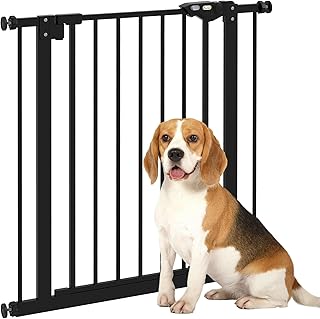
Baby gates come in various styles, each designed for specific uses. The most common types include pressure-mounted gates and hardware-mounted gates. Pressure-mounted gates are ideal for temporary use and can be easily installed without damaging walls, making them perfect for doorways and hallways. However, they may not be suitable for the top of stairs due to safety concerns.
Hardware-mounted gates are permanently affixed to the wall, providing a more secure option for high-risk areas such as the top of stairs. These gates require a more complex installation process, often involving screws and wall brackets. When selecting a gate, consider the areas of your home needing protection and the potential risks associated with each location.
Safety Standards and Regulations
In 2026, safety regulations for baby gates continue to evolve, ensuring that products meet stringent requirements. It is essential to look for gates that comply with UK safety standards. The British Standards Institution (BSI) oversees the testing and certification of child safety products. A gate that meets BS EN 1930:2011 will have undergone rigorous testing for strength, stability, and safety features.
Additionally, check for certification marks from reputable organisations, which indicate that the product has been independently tested for safety and quality. Avoid gates that do not display such certifications, as they may not adhere to the necessary safety protocols.
People Also Look For:
- Venture Stair Gate - Q-Fix 110cm Extra Tall Baby Gate for Stairs & Doorways - 73-80cm Wide Indoor Dog Gate, Pressure Fit with Auto...
- Munchkin Maxi-Secure Pressure Fit Toddler & Baby Safety Gate, for Stairs & Doorways Four point pressure fit, 76-82 cm, Black, (Mea...
- BECROWM 180cm/71 Inch Extra Wide Retractable Baby Gate for Large Openings, Safety Baby Gate for Doorways, Extra Long Dog Gates for...
- Start and Drive Ltd, Retractable Baby Gate 87cm x 130 cm Stair Safety Gate Roll for Babies and Pets, dogs, Extendable Barrier Gate...
- Retractable Stair Gate for Baby & Dog, Mesh Gate Extends up to 180cm Wide, Ideal for Doorways, Hallways Indoors Outdoors
Key Features to Consider
When selecting a baby gate, consider several key features that enhance safety and usability. First, the height of the gate is essential; it should be tall enough to prevent your child from climbing over. Most gates are at least 75 cm high, though taller options are available for more adventurous toddlers.
Another vital feature is the locking mechanism. Gates should have a childproof lock that is easy for adults to operate but challenging for children. Look for gates with one-handed operation, especially if you often find yourself carrying your baby or other items.
Materials and Design
Baby gates are constructed from various materials, including wood, metal, and plastic. Wooden gates offer a classic aesthetic and can blend seamlessly with home decor, while metal gates tend to be more durable and secure. Plastic gates are lightweight and portable, making them suitable for travel or temporary use.
In terms of design, choose gates that do not have horizontal bars or footholds that a child could use to climb over. Opt for models with a smooth finish and rounded edges to minimise the risk of injury. The width of the gate should also be adjustable to fit different openings, ensuring a snug fit regardless of where it is installed.
Installation Considerations
Proper installation is critical for the effectiveness of any baby gate. Follow the manufacturer's instructions carefully, and ensure that the gate is securely mounted or tensioned according to the specifications. Regularly check the gate for signs of wear or looseness, and adjust as necessary to maintain safety.
For hardware-mounted gates, consider hiring a professional to install them, especially in high-risk areas like staircases. This ensures that the gate is securely affixed and reduces the risk of accidents due to improper installation.
Additional Tips for Parents
When choosing a baby gate, keep in mind that your needs may change as your child grows. Consider investing in adjustable gates that can expand or contract to fit various spaces. This flexibility can save you money in the long run and ensure that your home remains a safe environment for your child as they reach new developmental milestones.
Stay informed about recalls and safety alerts related to baby gates and other child safety products. Subscribe to relevant newsletters or follow organisations that focus on child safety to receive updates on the latest products and safety information. Being proactive about safety will help you create a secure space for your little ones to explore as they grow.