Common Baby Gate Mistakes Every Parent Should Avoid
Ensuring the safety of your little one is a top priority for parents in 2026. Baby gates serve as essential tools in keeping children safe from hazardous areas within the home. However, many parents unknowingly make mistakes that can compromise the effectiveness of these safety devices. This article will explore common baby gate mistakes, providing valuable insights and expert recommendations to help parents navigate these challenges.
Choosing the Wrong Type of Baby Gate
In 2026, the market offers a variety of baby gates designed to fit different needs and spaces. However, one of the most common mistakes parents make is choosing a gate that does not suit their specific requirements. For instance, pressure-mounted gates are ideal for temporary use and doorways but are not suitable for the top of stairs due to their potential instability.
Parents should consider their home layout when selecting a gate. For the top of stairs, wall-mounted gates provide superior security. These gates are affixed directly to the wall, reducing the risk of the gate collapsing if a child leans against it. Additionally, parents should ensure that the gate is tall enough to prevent climbing. A standard height of at least thirty inches is recommended.
Material Matters
Another mistake to avoid is overlooking the material of the baby gate. In 2026, gates come in various materials including wood, metal, and plastic. Each material has its pros and cons. Wooden gates, while aesthetically pleasing and sturdy, can be heavy and less portable. Metal gates are often more durable and can withstand vigorous use, making them suitable for active toddlers.
When choosing a material, consider the age and behavior of your child. For instance, if your child is a climber, a metal gate may be more effective. Additionally, parents should check safety certifications to ensure that the gate meets current safety standards.
People Also Look For:
- Baby Safety Gates | Baby Gate for Stairs and Doors | Automatic Closing Easy Install Child Gate | Adjustable width 75 to 80cm
- Venture Stair Gate - Q-Fix 110cm Extra Tall Baby Gate for Stairs & Doorways - 73-80cm Wide Indoor Dog Gate, Pressure Fit with Auto...
- hauck Open N Stop 2, Dark Grey - Pressure Fit Baby Gate 75-80 cm for Doors and Stairs, Closes Manually, Opens to Both Sides with O...
- 4 Pack Baby Gate Wall Protector, Protect Walls & Doorways for Pet & Dog Gates, Pressure Mounted on Stair Gate, No Screw Need
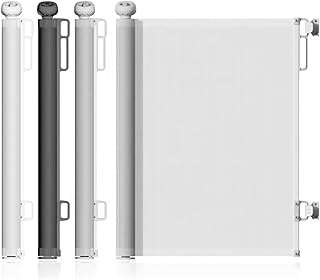
- Suihuoo Retractable Mesh Baby & Dog Gate - Extends up to 180cm Wide & 86cm Tall - Extra Wide Safety Gate for Doorways & Hallways, ...
Improper Installation
The installation process of baby gates is crucial in ensuring their effectiveness. Many parents fail to install the gate properly, which can lead to dangerous situations. In 2026, it is essential to follow the manufacturer's instructions carefully. Some gates require specific drilling or mounting techniques to ensure stability.
Parents should also regularly check the installation of the gate. Over time, screws can loosen, and pressure-mounted gates can shift. It is advisable to inspect the gate bi-weekly, especially in homes with active toddlers. If a gate is showing signs of wear or instability, it should be repaired or replaced immediately.
Location, Location, Location
Another critical aspect is the placement of the baby gate. A common mistake is installing gates in locations that do not provide adequate safety. For example, placing a gate at the bottom of a staircase may seem logical; however, without a gate at the top, it does not provide complete protection. Parents must evaluate high-risk areas such as kitchens and bathrooms and ensure that gates are strategically placed to prevent access.
Moreover, consider the flow of daily activities. Installing gates in areas frequently traversed can become a hassle. It is essential to strike a balance between safety and convenience. For 2026, innovative gates that swing open easily or can be operated with one hand are available, making it easier for parents to navigate their homes while keeping their children safe.
Neglecting Ongoing Monitoring
In 2026, many parents may assume that once a baby gate is installed, their job is done. This assumption can lead to complacency. It is vital for parents to continually monitor the effectiveness of the gate. Children grow rapidly, and their abilities change. What may have been a secure barrier at one point may no longer be adequate as a child begins to climb or push against it.
Parents should remain vigilant and watch how their child interacts with the gate. If a child begins to test boundaries or shows signs of attempting to climb over, it may be time to upgrade to a taller or more secure gate. Furthermore, education about baby gate safety should be part of a child's learning process. Teaching them that the gate is not a toy can help reduce risky behavior.
Ignoring Manufacturer Recommendations
Lastly, ignoring manufacturer recommendations is a mistake that can compromise safety. Each baby gate comes with specific guidelines regarding weight limits and age recommendations. In 2026, parents should adhere strictly to these recommendations. Using gates beyond their intended purpose, such as allowing older children to use them as play structures, can lead to accidents.
Additionally, some gates may have features that are beneficial at different stages of a child's development. Understanding how to adjust the gate as your child grows can enhance safety. Some modern gates come equipped with features like adjustable widths and lockable mechanisms that ensure continued safety as children develop new skills.
Conclusion
Incorporating baby gates into your home for safety is a wise choice for parents in 2026. However, avoiding common mistakes is crucial for ensuring their effectiveness. By choosing the right type of gate, ensuring proper installation, and continuously monitoring its use, parents can create a safer environment for their children. This 2026, stay informed and proactive in your approach to baby gate safety.